Ready to dance? Browse the options below to get started







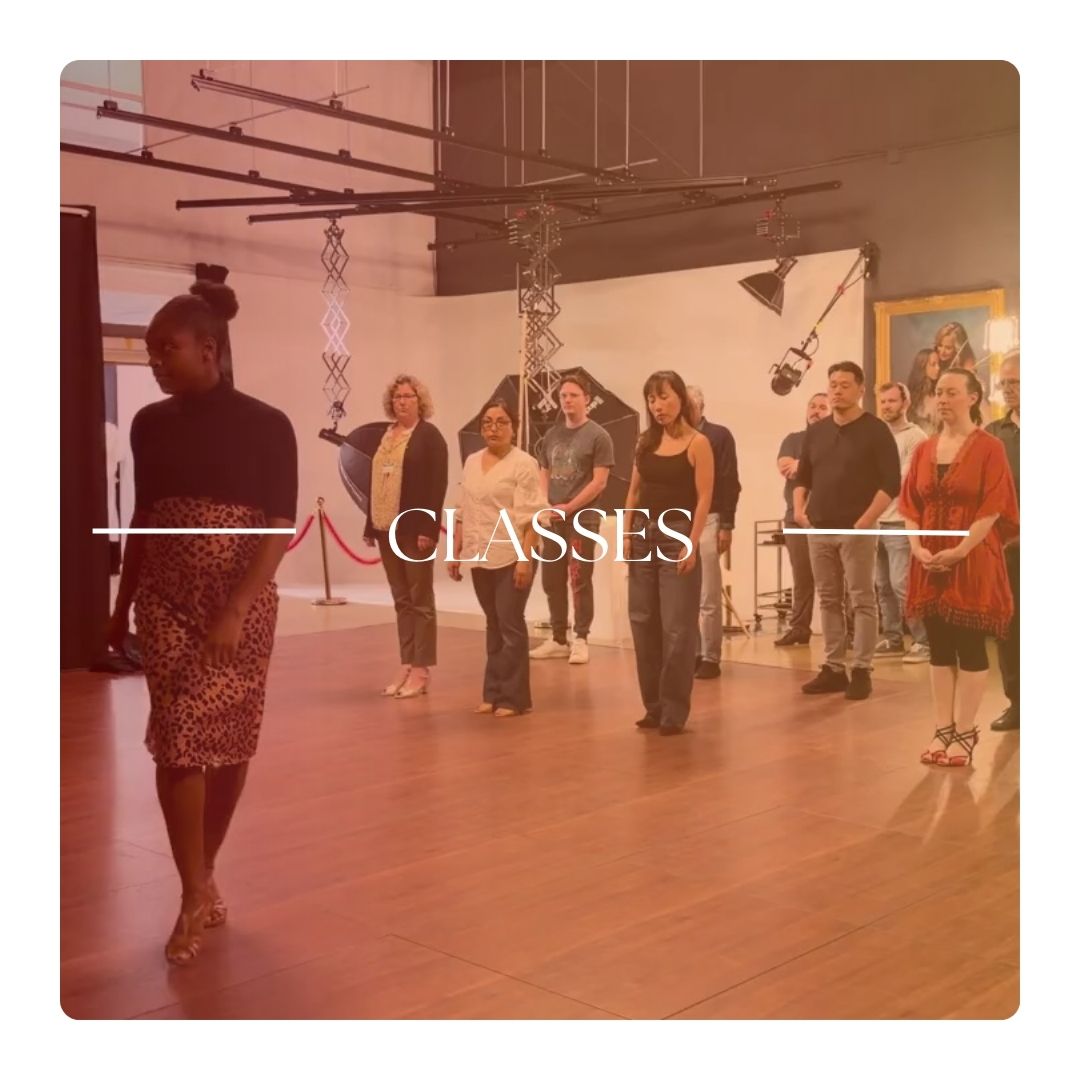
No Partner, No Dance Experience Needed
JOIN VIENNA TANGO SCHOOL
February 2026 Classes
Now Enrolling
Tango Classes
INTRO
Level 1
Class
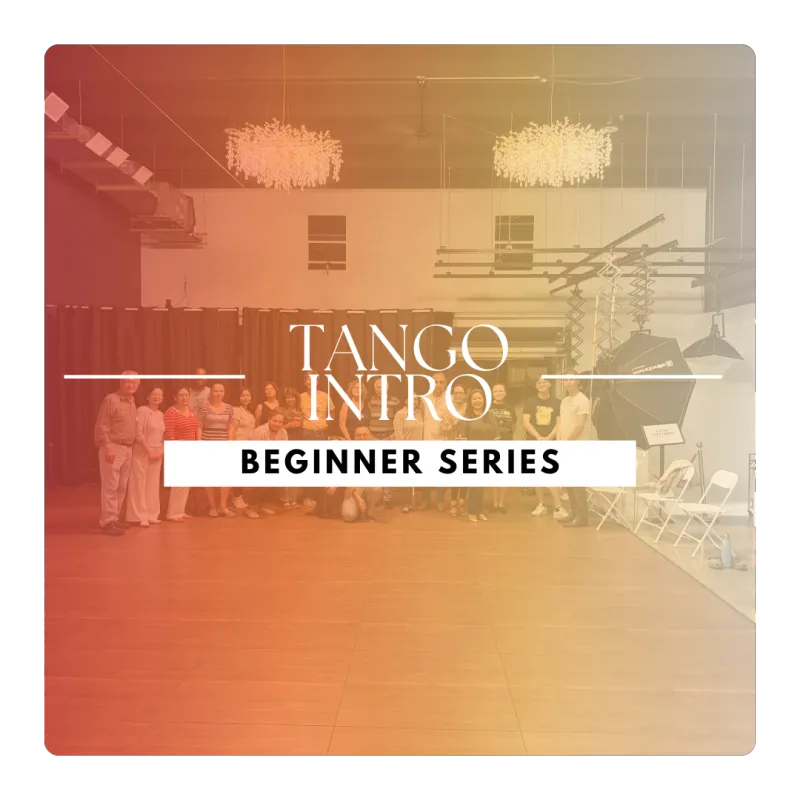
Tango Intro Series
Every Thursday starting March 5th, 2026, 7:00 - 8:00 PM
No partner or experience needed, just your curiosity! In 4 weeks, you’ll learn the embrace, walking, basic steps, and connection that prepare you to step onto the social dance floor.
Includes open practica after class (8 –10 PM)
Please indicate role (Leader/Follower) during checkout.
Leader: Traditionally the male role.
Follower: Traditionally the female role.
We require people select one role for the sake of balancing the class, however we do encourage exploring both roles to get a more comprehensive understanding of the dance.
FOUNDATIONS
Level 2
Class
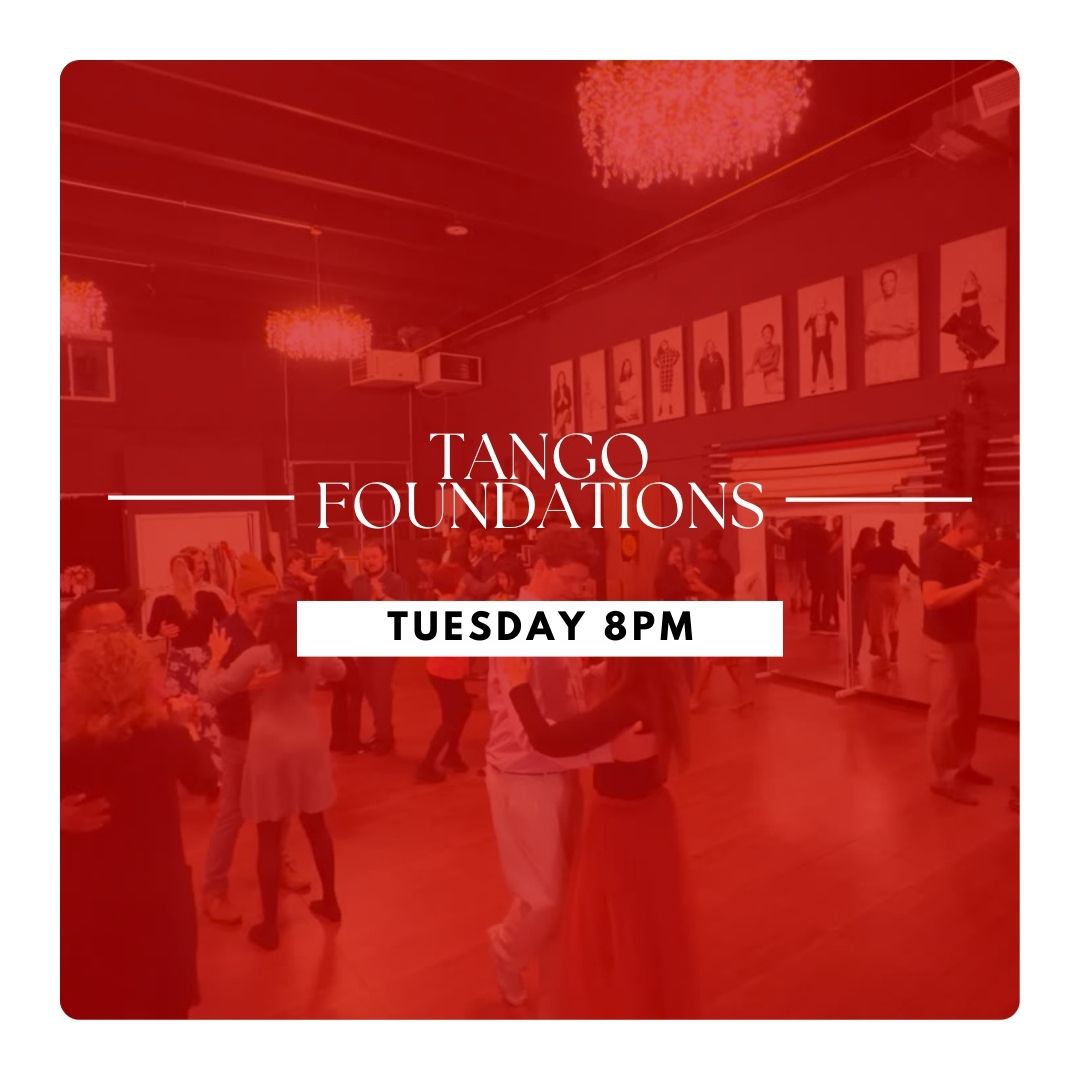
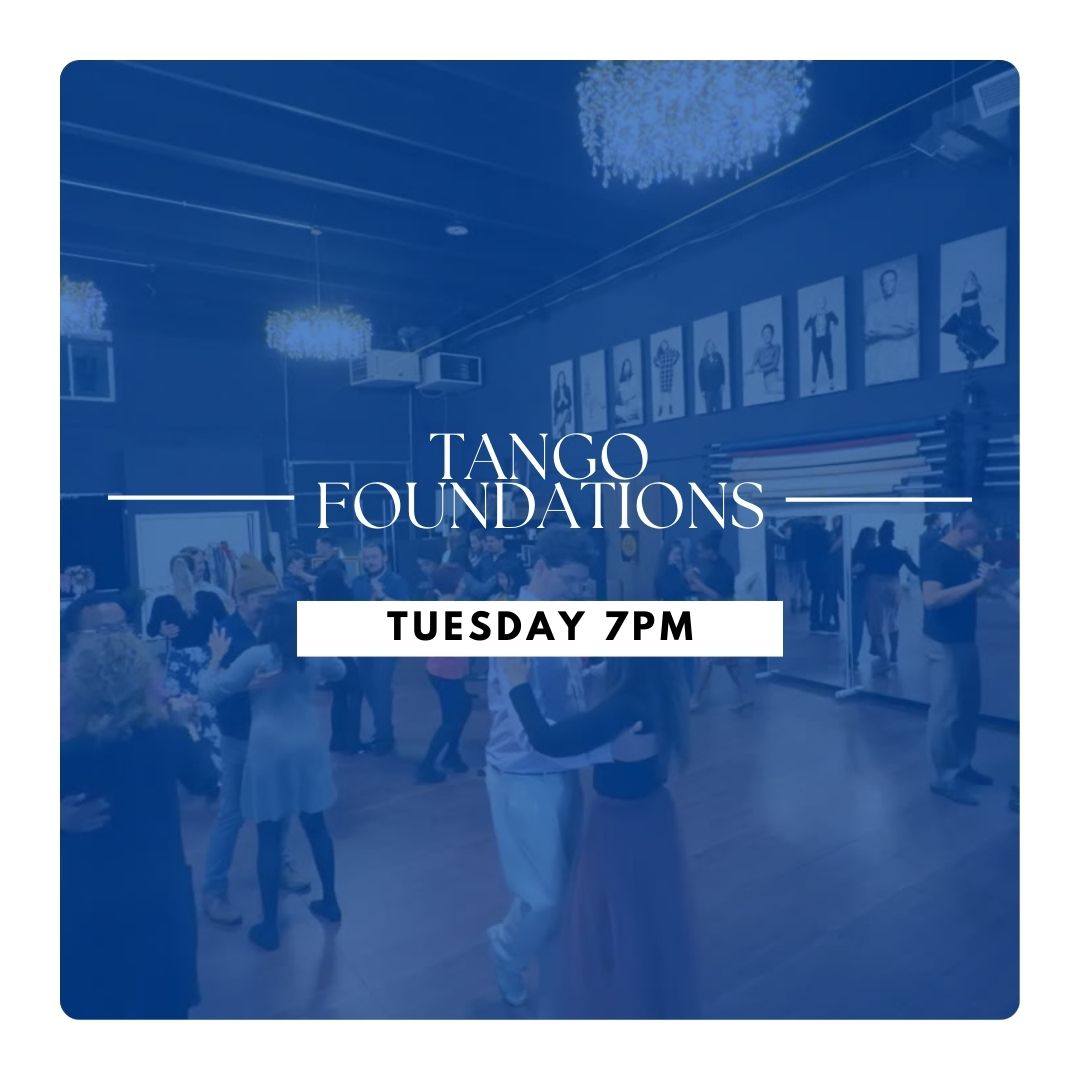
Tango Foundations
Starting Tuesday March 5, 8:00 - 9:00 PM
Tango Foundations
This progressive series builds a strong technical foundation for Argentine tango, with a deep focus on the walk and the essentials that make social dancing feel confident and connected. We’ll dive into posture and alignment, how to create a comfortable, responsive connection, and the mechanics of walking and weight changes so your movement is clear, grounded, and musical.
Designed for students who have completed Tango Intros (or have equivalent experience), this series is also valuable for dancers with a few years under their belt who want to refine fundamentals, improve comfort with partners, and move with more ease and confidence on the dance floor.
Special Topics
Class
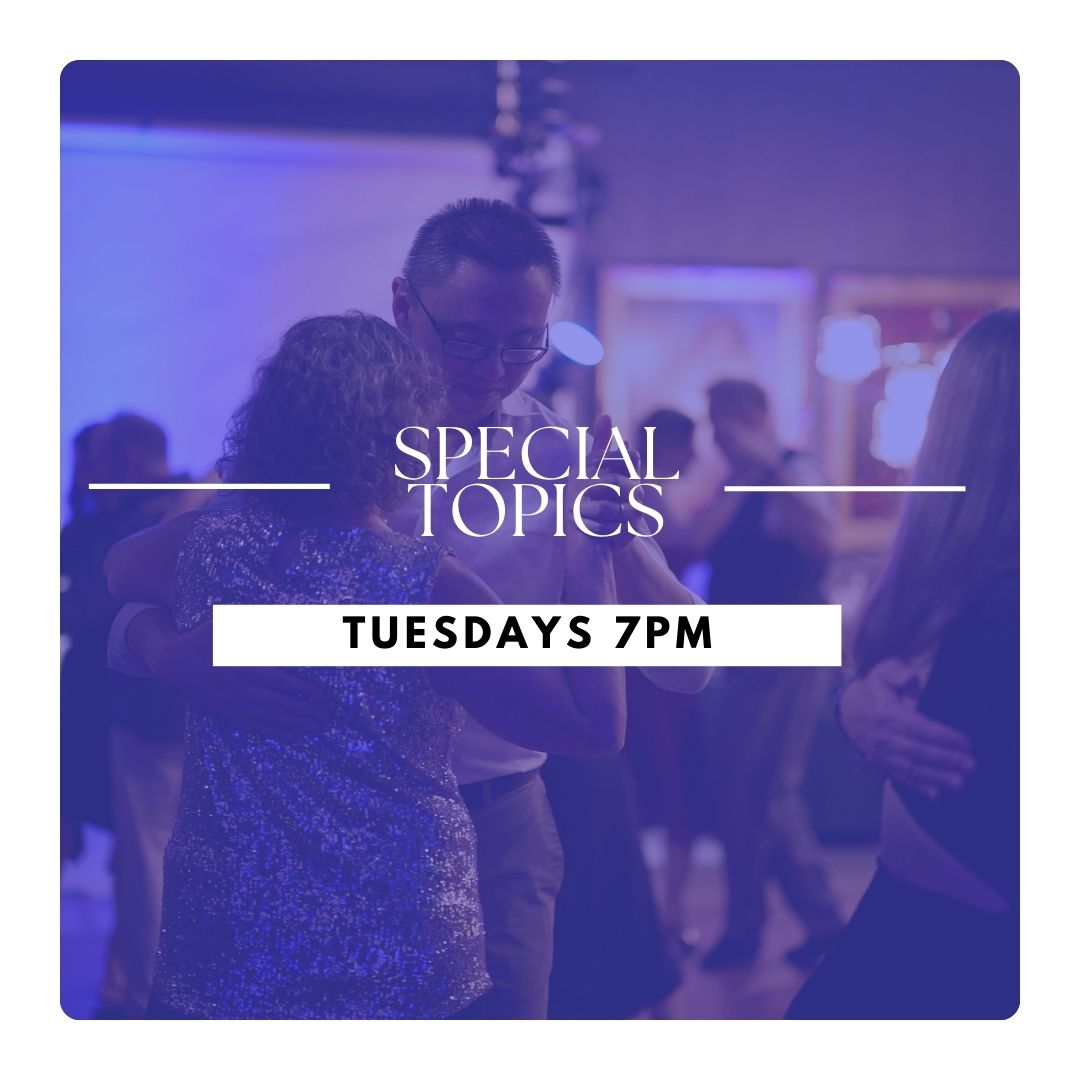
Navigation | Tuesday, 7:00 - 8:00 PM
Navigation & Tango in Small Spaces
Learn how to dance comfortably and confidently in crowded milongas. This class focuses on floor awareness, efficient walking, compact turns, and musical choices that allow you to navigate limited space with ease. Perfect for dancers who want to maintain elegance, connection, and respect for the ronda—no matter how full the floor becomes.
Special Topics
All Levels
Class
Essential Figures
Every Tuesday starting March 3rd, 2026, 7:00 - 8:00 PM
Essential Figures
This four-week Special Topics series is dedicated to mastering the essential figures of tango—the movements that truly support confident, musical social dancing.
Rather than rushing through multiple patterns, we’ll focus on one essential figure each week. The goal is depth, not quantity. By spending a full class refining a single figure, you’ll develop the clarity, balance, and adaptability needed to actually use it comfortably in a milonga—not just in class.
Each week’s figure will be chosen specifically for its
INTRO
Level 1
Class
Tango Intro Series
Every Thursday starting March 5th, 2026, 7:00 - 8:00 PM
No partner or experience needed, just your curiosity! In 4 weeks, you’ll learn the embrace, walking, basic steps, and connection that prepare you to step onto the social dance floor.
Includes open practica after class (8 –10 PM)
Please indicate role (Leader/Follower) during checkout.
Leader: Traditionally the male role.
Follower: Traditionally the female role.
We require people select one role for the sake of balancing the class, however we do encourage exploring both roles to get a more comprehensive understanding of the dance.
FOUNDATIONS
Level 2
Class
Tango Foundations
Starting Tuesday March 5, 8:00 - 9:00 PM
Tango Foundations
This progressive series builds a strong technical foundation for Argentine tango, with a deep focus on the walk and the essentials that make social dancing feel confident and connected. We’ll dive into posture and alignment, how to create a comfortable, responsive connection, and the mechanics of walking and weight changes so your movement is clear, grounded, and musical.
Designed for students who have completed Tango Intros (or have equivalent experience), this series is also valuable for dancers with a few years under their belt who want to refine fundamentals, improve comfort with partners, and move with more ease and confidence on the dance floor.
Special Topics
Class
Essential Figures
Every Tuesday starting March 3rd, 2026, 7:00 - 8:00 PM
Essential Figures
This four-week Special Topics series is dedicated to mastering the essential figures of tango—the movements that truly support confident, musical social dancing.
Rather than rushing through multiple patterns, we’ll focus on one essential figure each week. The goal is depth, not quantity. By spending a full class refining a single figure, you’ll develop the clarity, balance, and adaptability needed to actually use it comfortably in a milonga—not just in class.
Each week’s figure will be chosen specifically for its
Weekly 7PM
(includes practice session)
No partner, no experience? No problem. Tango 101 is your first step into the world of Argentine Tango. Over four weeks, we’ll take you from zero dance experience to feeling ready to step onto the social dance floor with confidence. You’ll learn the embrace, walking, basic steps, and connection — the essentials that will let you enjoy your first milonga. Think of this as your passport to the tango community.
Weekly 8PM
(includes practice session)
Already comfortable with the basics and ready to deepen your dance? Tango Foundations is designed to strengthen and refine the core building blocks of tango. This four-week series dives into the cross system, exploring its structure, mechanics, and how it shapes musicality and partner connection. Perfect for dancers who want to go beyond “just the steps” and start dancing with real depth and confidence.
Abrazo Milonga
1st Saturday of the month
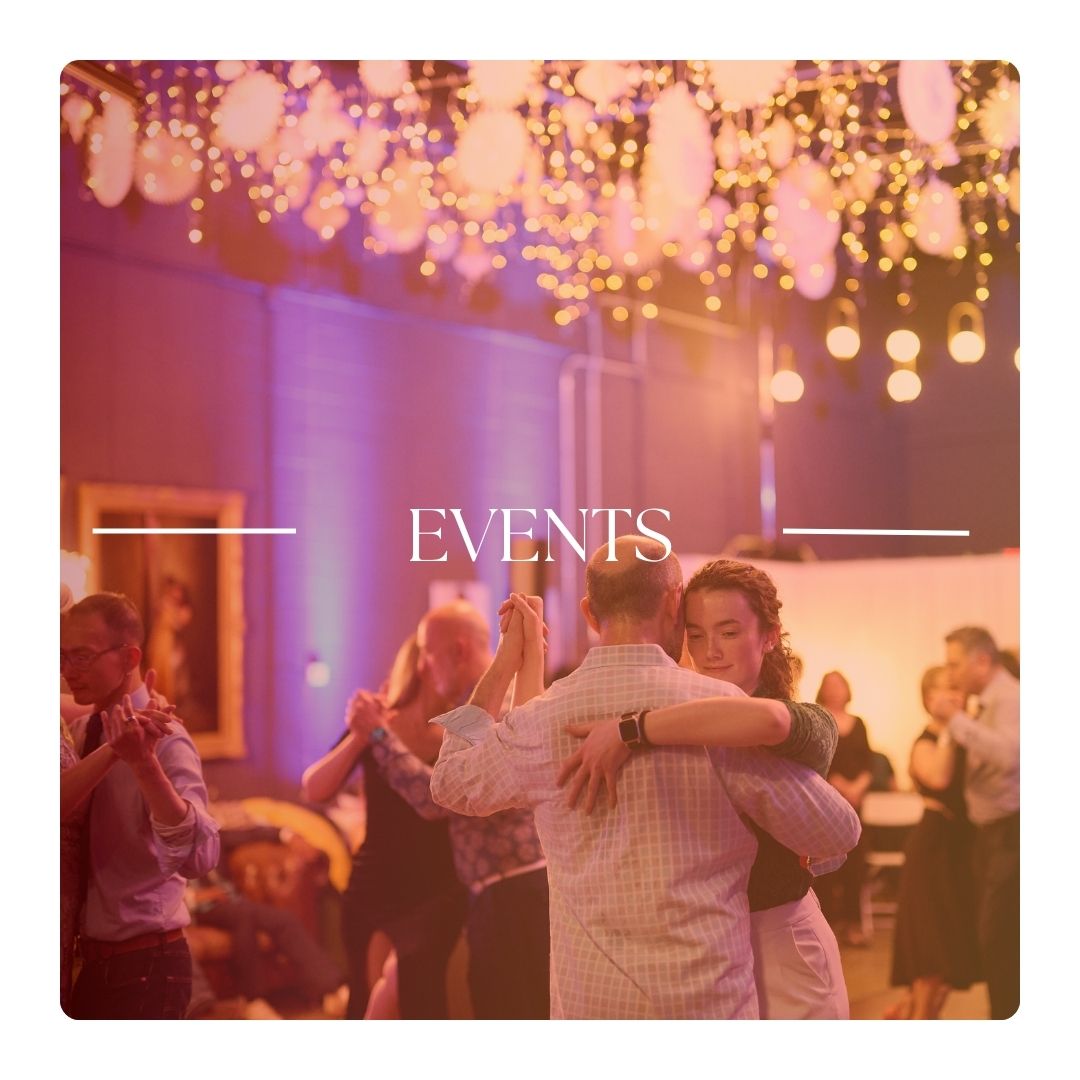
Our flagship social dance event, Abrazo Milonga brings the DC/Northern Virginia tango community together under one roof for an evening of music, movement, and connection. Whether you’ve been dancing for years or are just beginning your tango journey, this is the place to embrace the magic of the dance. Expect a welcoming atmosphere, beautiful tandas, and the warm embrace of community.
Tango Ocho Milonga
3rd Friday of the month
Our monthly beginner-friendly milonga (social dance). Tango Ocho is all about building community and making tango welcoming. We encourage role switching, partner rotation, and dancing with new people. It’s the perfect place to practice what you’ve learned in class, meet other dancers, and fall in love with the magic of tango.
Guided Practica
Every Thursday 8:00 - 10:00 PM
General public entry fee: $5
No advanced registration required
Join us after the Thursday class to practice what you’ve learned in a relaxed and supportive environment. Teachers and advanced dancers will be available to answer questions and give tips. The practica is also a great place to meet other dancers, try new roles, and get comfortable with social dancing.
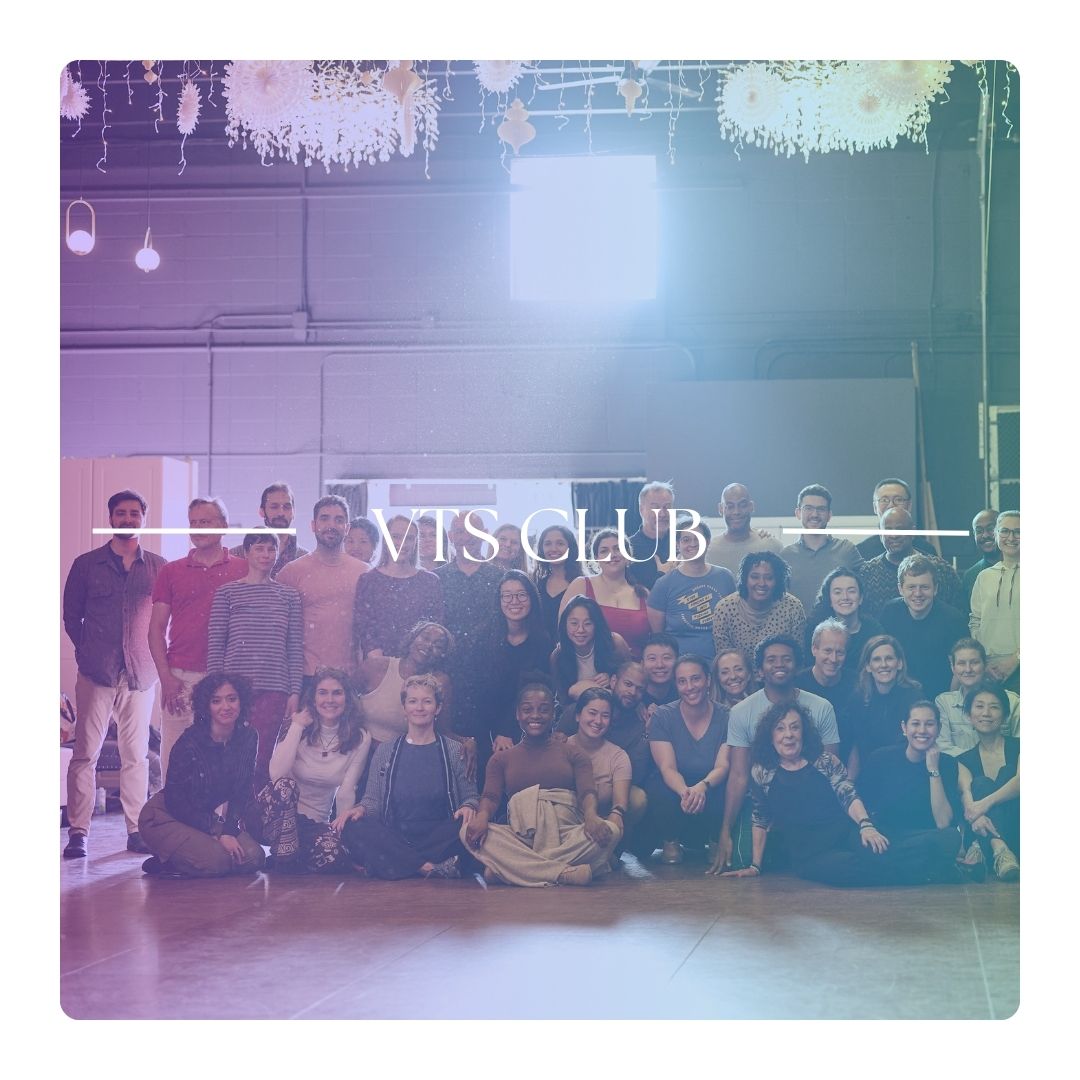
Included with Tango Intro, Foundations, or Special Topics series enrollment and VTS Club Membership
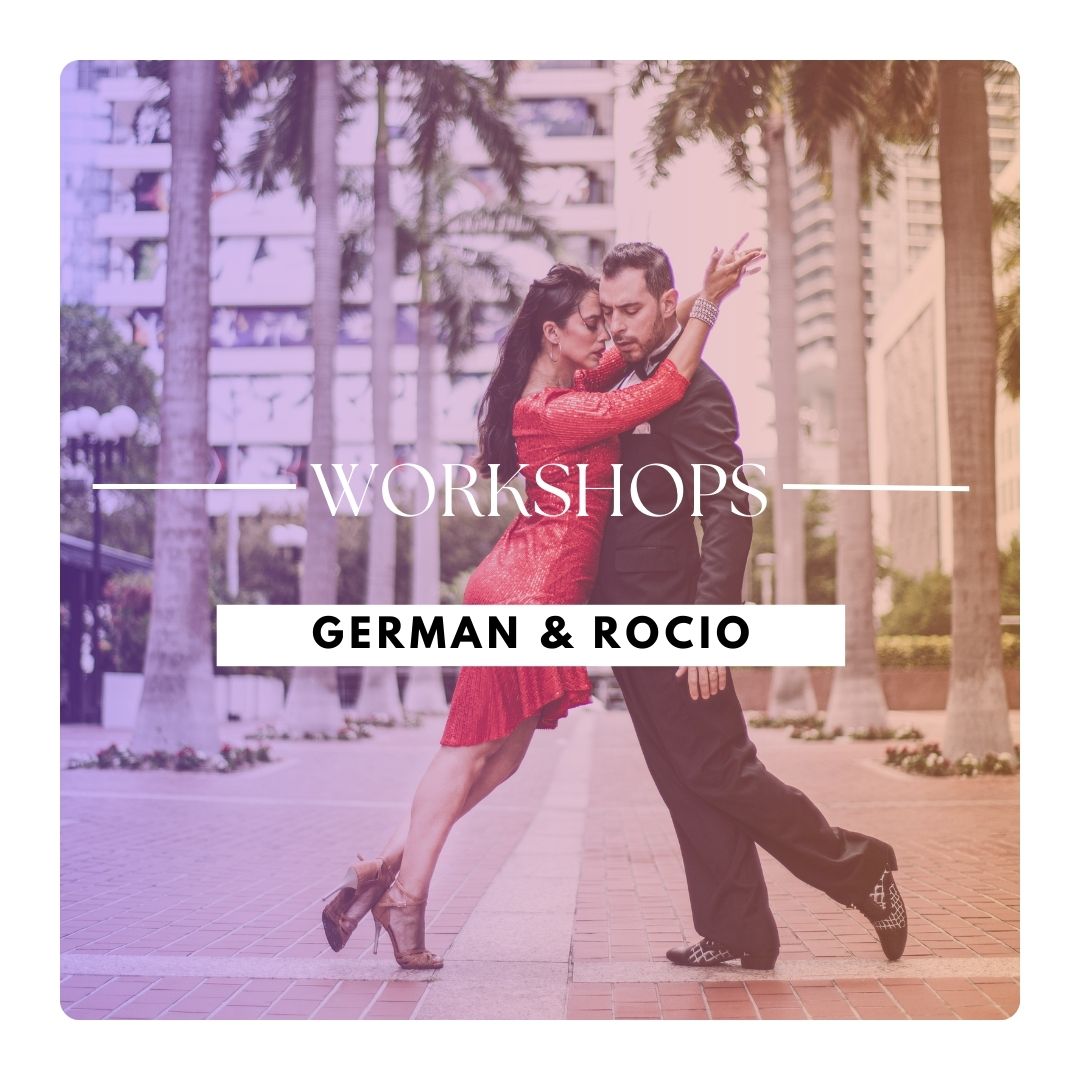
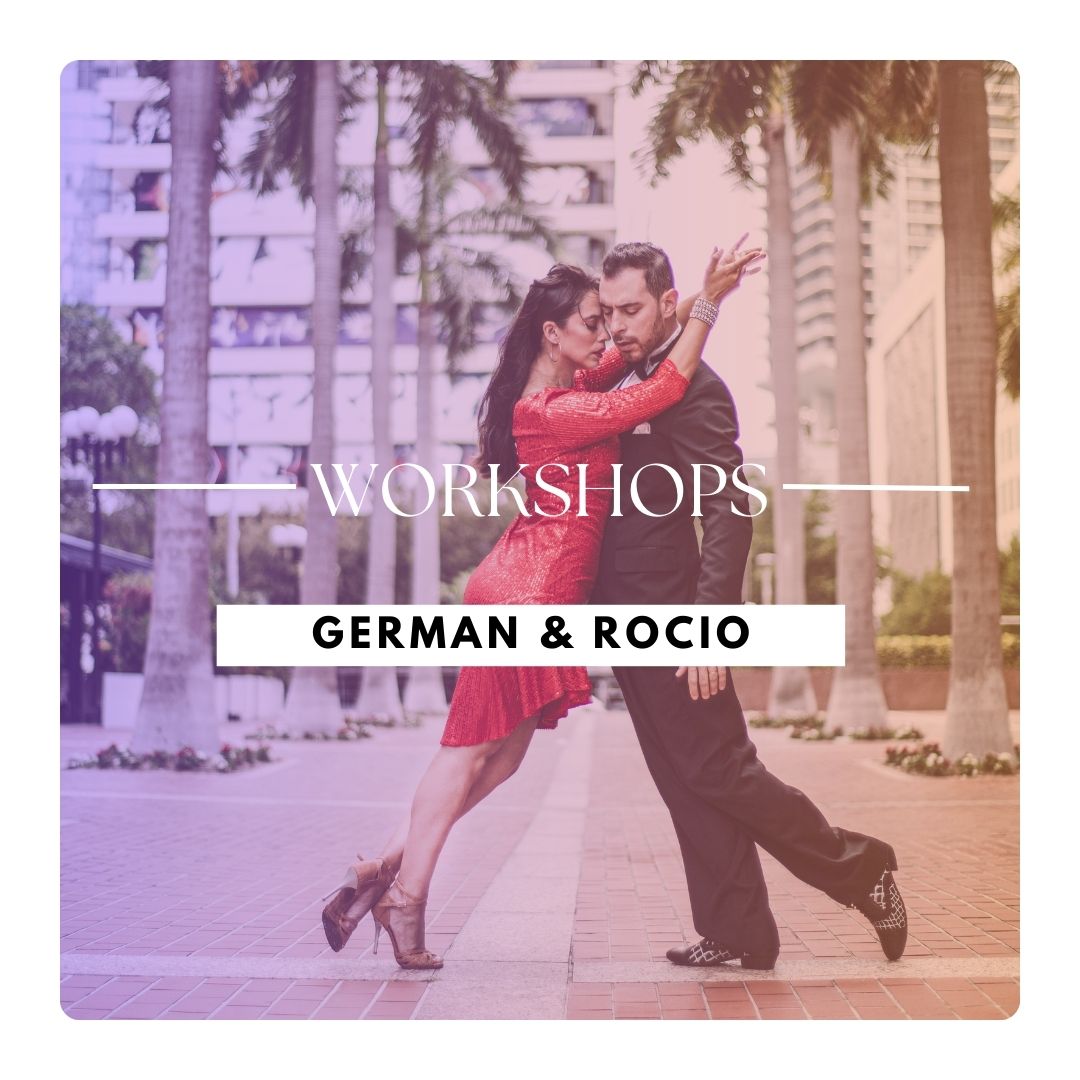
German & Rocio
Register now for their Argentine Tango workshops—refine your technique, musicality, and connection with world-class artists. Limited spots available.


Classes, workshops, & Events
Events
Abrazo Milonga
Saturday, March 7th, 2026
7:00PM Class - Moves for Social Dancing w/ Jake $25
8:00 PM - 12:00 AM Milonga
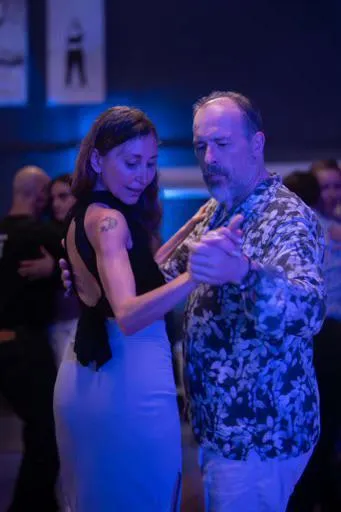
Abrazo is our signature 1st Saturday of the month milonga dedicated to the rich tradition of Argentine tango. Step into an evening of classic tandas, inviting embraces, and a warm community of dancers eager to connect.
With an atmosphere that honors tango’s timeless music and social roots, Abrazo invites dancers of all levels to immerse themselves in a night of heartfelt expression and true cultural celebration.
Los Amigos Milonga
March 14, 2026
3:00pm - 7:00pm
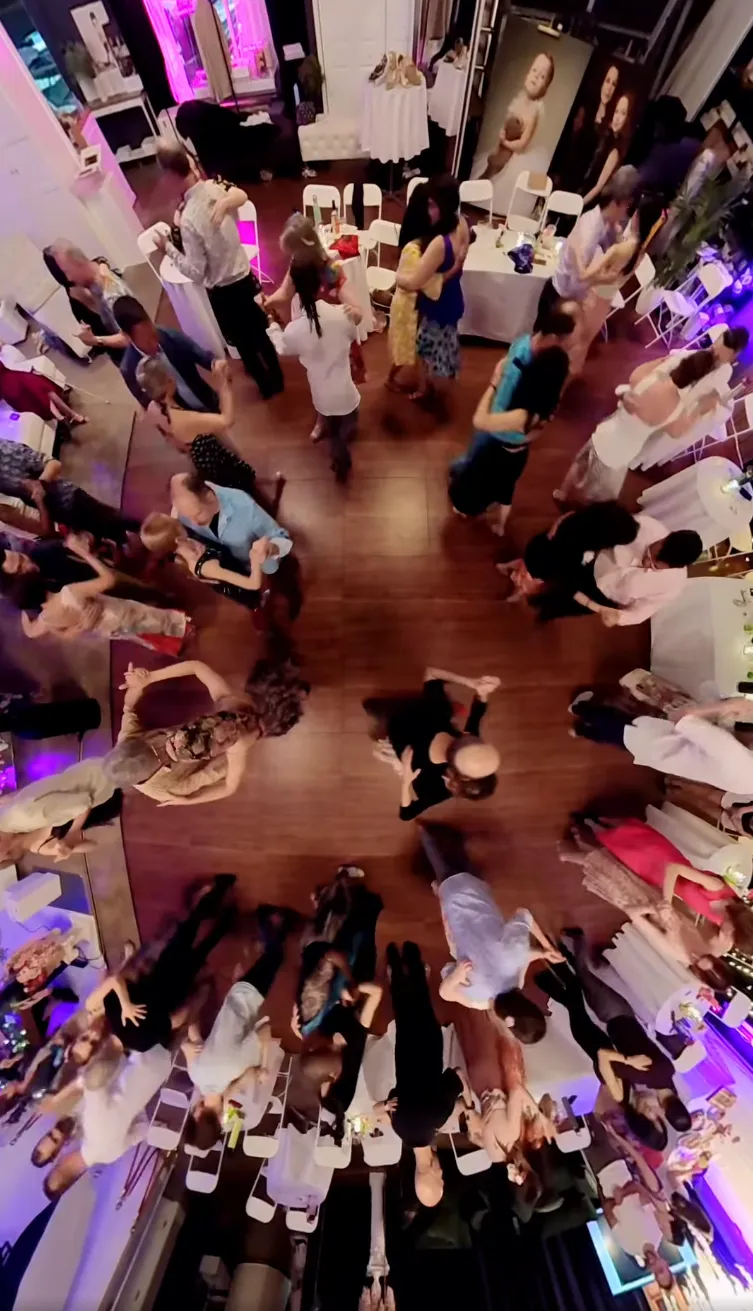
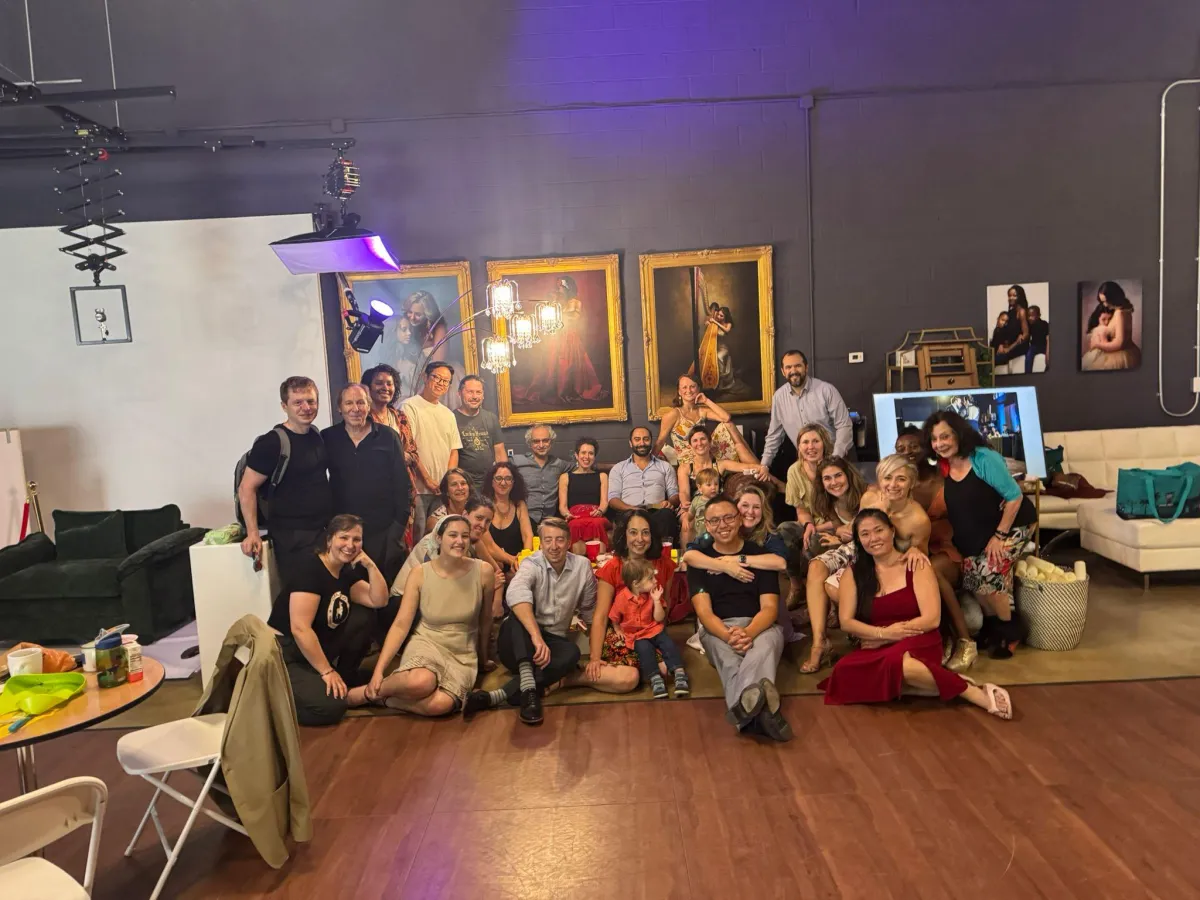
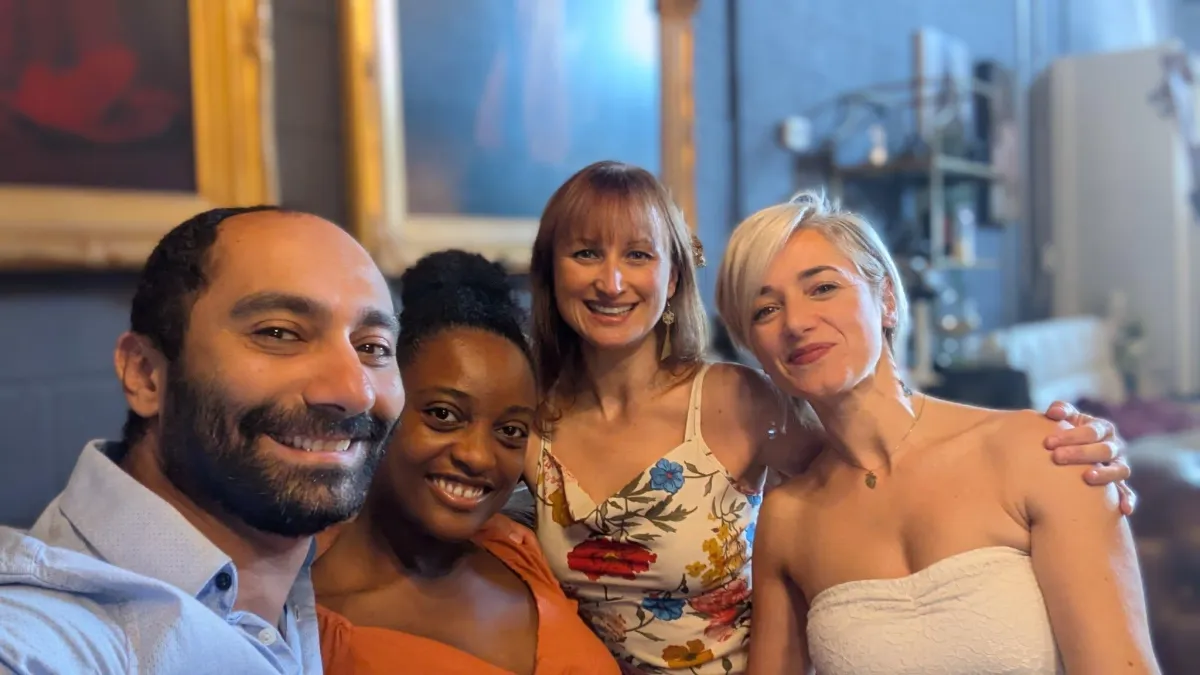
A community milonga held quarterly where everyone is welcome, from newcomers, seasoned dancers, queer tango friends and allies. Alongside the dancing, we share food potluck-style, celebrate life events, and provide space and supervision for families with kids.
Expect a relaxed, low-pressure environment filled with supportive energy and plenty of time to connect.
$10 Entry (free if you bring a dish)
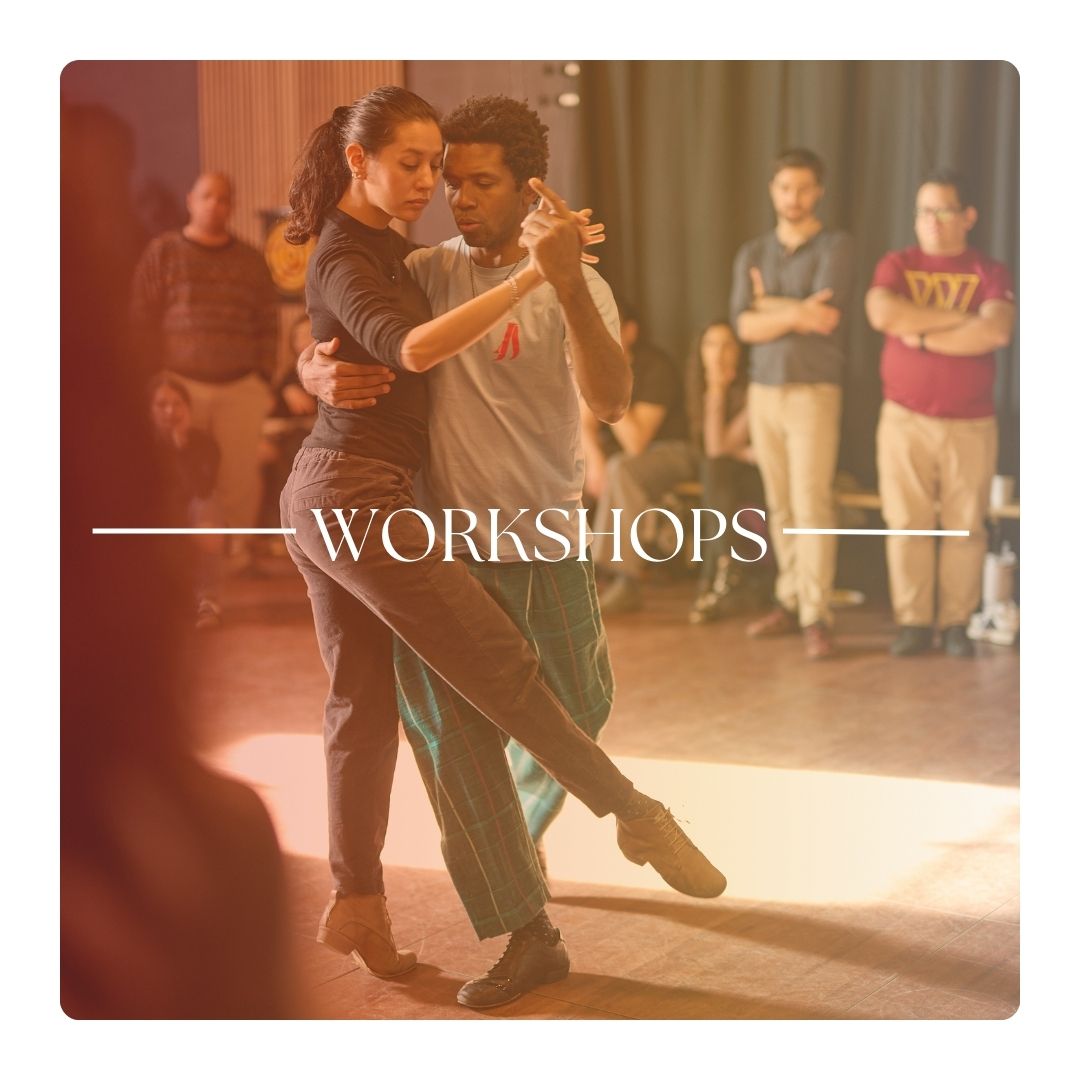
Guest Workshops
Julio & Silvina
Dec 4-7
We are excited to welcome Julio Alvarez & Silvina Tse for their first visit to the DMV! Spaces are limited.
Read all about Argentine Tango
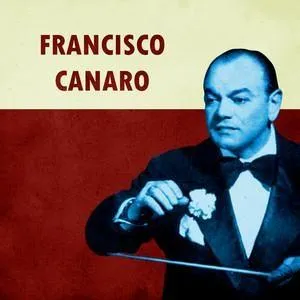
Francisco Canaro: From Oil Can Violin to Tango Empire
From a homemade violin to high society ballrooms, discover how Francisco Canaro transformed tango into a global phenomenon—through innovation, controversy, and a legendary romance. ...more
Tango Nugget
July 15, 2025•4 min read
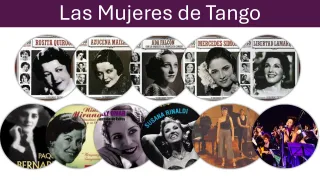
Women in Tango Orquestas: The Ones Who Played Anyway
Meet the women who challenged tango’s male-dominated legacy—from forgotten bandoneonistas to feminist orquestas reclaiming the stage. ...more
Tango Nugget
July 08, 2025•6 min read

Why Is Tango Emotionally Addictive
Why tango feels addictive: the science, emotion, and connection behind the dance we can’t quit. ...more
Tango Nugget
June 24, 2025•5 min read

Tango - The Dance That Won't Die
During Argentina’s most repressive years, tango didn’t vanish — it went underground. From banned lyrics to symbolic gestures like Pugliese’s red carnation, musicians and dancers found ways to resist t... ...more
Tango Nugget
June 10, 2025•3 min read

Staying Grounded #17 - Germán & Nicholás Filipeli
The Filipeli Brothers, join us on Staying Grounded to share their journey in tango. From their contrasting styles to their unique bond as twins, they dive into the art of performing together and navig... ...more
Staying Grounded
May 27, 2025•1 min read

To Cabeceo Or Not To Cabeceo
What is the cabeceo — and are we still doing it right? This guide breaks down tango’s silent invitation: how it works, where it came from, and why it still matters (with a few modern twists). ...more
Tango Nugget
May 27, 2025•4 min read
About Us
TAKE one STEP
DISCOVER TANGO
Vienna Tango School began as a collaboration between three tango dancers who fell in love with the dance’s unique blend of connection, artistry, and community. Determined to share that joy with others, they created a welcoming space where anyone—regardless of age or experience—can discover the magic of Argentine tango. Today, Vienna Tango School fosters a vibrant, supportive environment in Northern Virginia, uniting new and experienced dancers alike in the timeless tradition of tango.
Together, we invite you to step into the music, meet new friends, and experience the shared passion that brought our founders together in the first place.
Meet the Team

Melody Yazdani Zhang
Cofounder
Melody Yazdani Zhang stumbled upon tango by chance over 11 years ago, and it quickly became the lifeline she needed as a busy single mom. Since then, she’s traveled the world to dance and studied with acclaimed maestros. She believes that if you can walk, you can dance.
For Melody, the connection between partners, the embrace, and true mindfulness define tango’s magic. She loves how tango offers a peaceful escape from a fast-paced world, fosters lasting friendships (and marriages!), and provides the thrill of endless learning.
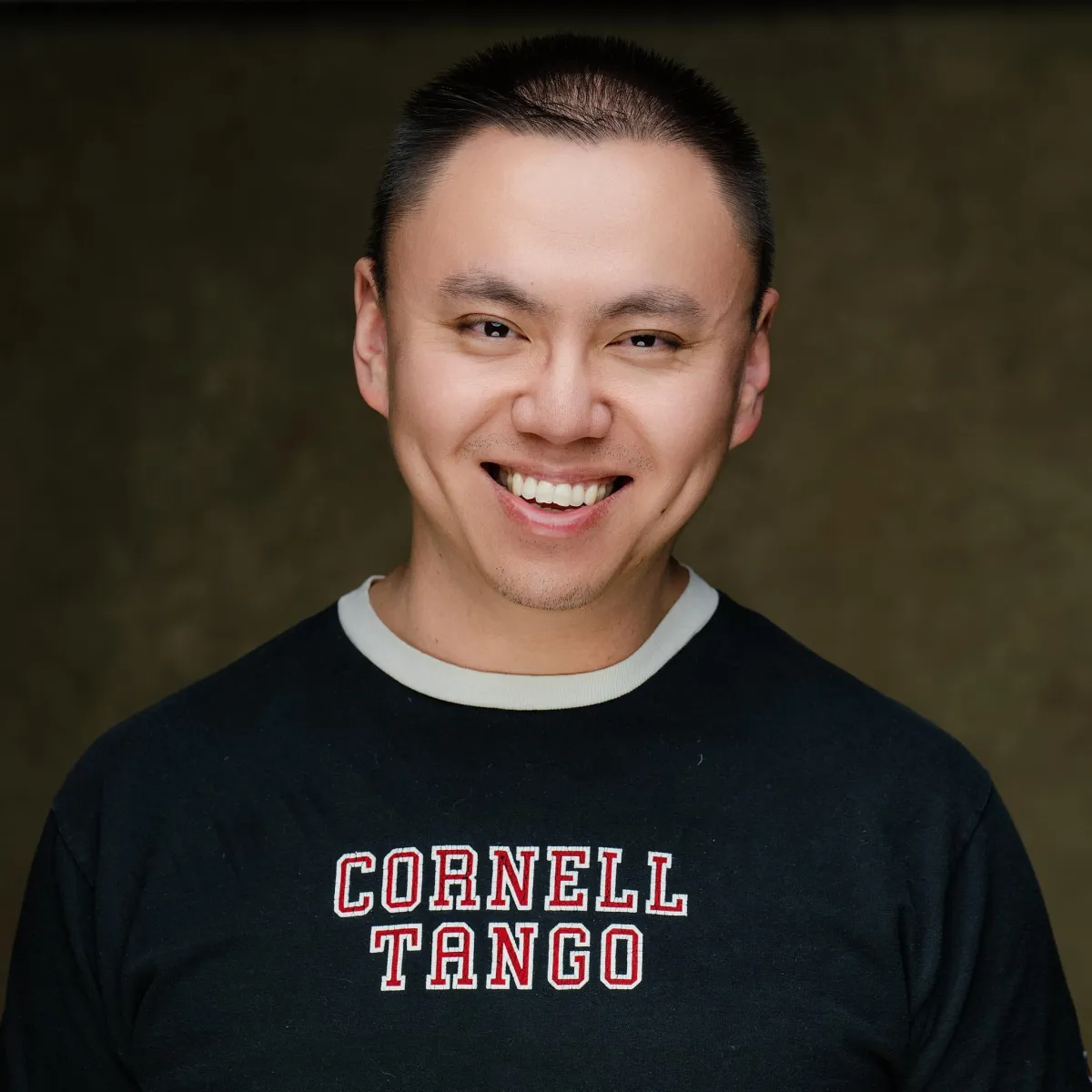
Jon Zhang
Cofounder
Jon began dancing tango in 2007 while studying engineering at Cornell University. He describes tango as difficult, but ultimately deeply rewarding, noting that it provides a rare outlet for creative expression that nurtures the soul.
During his time in Ithaca, New York, Jon served as both an organizer and a DJ, fostering a close-knit tango community before relocating to the Washington, D.C. area a decade ago. Ever since, he’s been an active member of the D.C. tango scene, continuing to share his passion for the dance and its unending possibilities.

Amanda Garley
Cofounder
Amanda Garley first discovered tango in the summer of 2009 while studying to become an engineer. The timing was ideal, awakening her to life’s real joys: connecting with others, finding balance, being confident in who she is, taking life by the horns, recognizing perfection in imperfection, and remaining open to unexpected discoveries.
She has spent half of her tango journey exploring how best to teach the dance, deepening her understanding of tango’s essence, its fundamental challenges, and the ways to help others reach satisfaction in their own dance. Now, she is thrilled to continue this journey through the Vienna Tango School, sharing her passion and expertise with new and seasoned dancers alike.

Copyright 2025 Vienna Tango School . All rights reserved
Design Your Dream Space Today!
Transform your space into a stylish, functional sanctuary with our expert design services
Transform Any Room into a Masterpiece!
Transform your space into a stylish, functional sanctuary with our expert design services
Elevate Your Home's Style
Transform your living space into a true reflection of your personality. Our interior design experts work with you to create beautiful, functional spaces that elevate your home’s aesthetic and improve everyday living. From concept to completion, we make your dream space a reality.
Bring Your Vision to Life
Frequently Asked Questions
Do you offer delivery, and how much does it cost?
Yes, we offer delivery across the country, ensuring your furniture arrives safely and on time. Delivery fees vary depending on your location, the size of your order, and any additional services you choose, such as in-room placement or assembly. You can view exact delivery costs during checkout before completing your order.
Can I track my order?
Absolutely! Once your order has been processed and shipped, you will receive an email with a tracking number and a link to monitor your shipment in real time. You can also log in to your account on our website to check the status of your order at any time, ensuring you know exactly when to expect your delivery.
What is your return policy?
We want you to love your purchase. If you’re not completely satisfied, we accept returns within 30 days of delivery on eligible items. Returned items must be unused, in their original packaging, and in resalable condition. Please note that return shipping fees may apply, and some items, such as clearance or custom pieces, may be final sale. Visit our Returns page for step-by-step instructions on how to start a return.
Do you offer assembly services?
Yes, we offer professional assembly services in select areas to make setting up your new furniture easy and hassle-free. This service can be added during checkout if it is available in your delivery area. Our team will assemble your furniture in the room of your choice and remove any packaging materials, allowing you to enjoy your new pieces immediately.
For your convenience, we accept all major credit cards (Visa, MasterCard, American Express, Discover) and PayPal for secure online payments. We also offer financing options at checkout, allowing you to furnish your home now and pay over time with easy monthly payments. All transactions on our website are encrypted and secure to protect your personal information.
We accept major credit cards, PayPal, and financing options at checkout to make your purchase easy and secure.

Discover the In-Store Experience
Step into our showroom and explore curated collections you can see, feel, and test for comfort and quality. Take your time browsing while our friendly team is ready to help you find pieces that match your style and needs, ensuring a stress-free, inspiring shopping experience.

Free 1-on-1 Design Consultation
Get personalized help furnishing your space with a free 1-on-1 design consultation. Our experts will guide you in selecting the right pieces, layout, and colors to match your style and budget. Whether you’re redoing a room or a full home, we’ll help bring your vision to life.
CONTACT US
Call Center:
(571) 603-7844
Hours:
Mon-Sat: 8am - 10pm CT
Sun: 11am - 6pm CT
Text Us:
Message 48273
Keyword HARVEST
Data Rates May Apply
Find a Showroom
ACCOUNT
FINANCING
OUR COMPANY
HELP CENTER
SUBSCRIBE TO OUR NEWSLETTER
FOLLOW US ON SOCIAL MEDIA



© Copyright 2026. Vienna Tango School. All Rights Reserved.